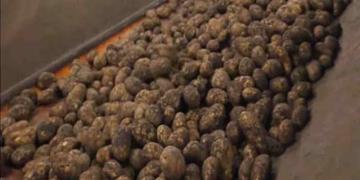
Costa Rica: Producers satisfied with the return of 40 containers of potatoes due to health risks.
The sector supports the implementation of rigorous controls and warns about the presence of toxins and potential pests that could compromise national production.
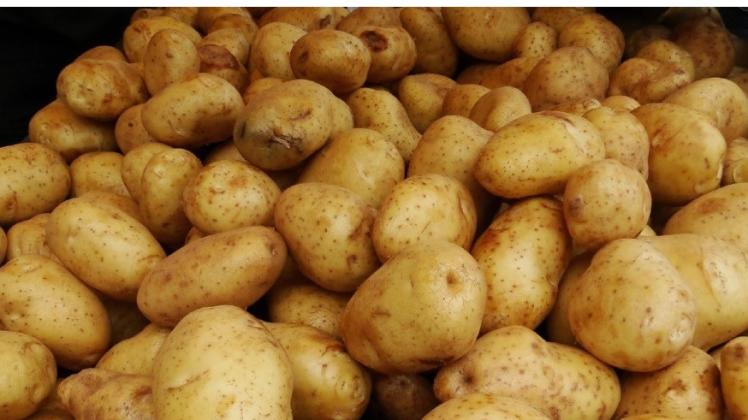
Pressure exerted by the agricultural sector has yielded concrete results: in recent months, nearly 40 containers of imported potatoes were rejected for failing to comply with the phytosanitary measures established to safeguard the health of Costa Rican consumers.
The National Horticultural Corporation reiterated its request to the Ministry of Agriculture and Livestock to strictly enforce the technical regulations that prohibit the entry of green, damaged, or sprouted potatoes intended for human or industrial consumption.
Marco Gómez, president of the Corporation, expressed his support for the work of the State Phytosanitary Service in the rigorous application of these regulations. He also assured that they will maintain active monitoring to guarantee compliance in defense of consumers.
Beyond the commercial aspect, the problem involves serious health risks. When a batch of potatoes arrives already sprouted, the tubers begin to develop shoots, creating an environment conducive to the appearance of insects, fungal spores, or bacteria. Should any of these organisms be considered quarantine pests, it could trigger new infestations in the country.
One of the main concerns is the risk of introducing Zebra Chip, a disease caused by the agent Candidatus Liberobacter solanacearum and transmitted by an insect vector. This disease affects the quality of the tuber and can cause significant economic losses if it becomes established in production areas.
In addition to the agricultural consequences, there are direct implications for human health. Consuming green or sprouting potatoes increases levels of glycoalkaloids such as solanine and chaconine, compounds that can cause symptoms such as nausea, vomiting, diarrhea, abdominal pain, or even neurological effects in cases of high intake.
From a legal perspective, Francisco Dall’Anese, attorney for the National Horticultural Corporation, emphasized that efforts are also underway to protect the health of Costa Ricans. Similarly, Renzo Céspedes, an expert in international trade, stressed the importance of strengthening phytosanitary inspections under the rights guaranteed by the World Trade Organization to prevent the entry of risky products.
Meanwhile, Kevin Aguilar, a producer and representative of the National Chamber of Potato Producers, encouraged Costa Ricans to prioritize the consumption of domestic potatoes due to their freshness and quality.
The National Horticultural Corporation, created in 1996 under Law 7628 and made up of 260 producers and their families, assures that maintaining firm phytosanitary measures not only protects farmers, but also constitutes a fundamental pillar to safeguard public health and guarantee food security in Costa Rica.
The debate now focuses on whether the controls will remain just as strict in the coming months, given trade pressures and the needs of the domestic market.
Fuente: amprensa.com