Chile: International Potato Day, technologies such as artificial intelligence, solar-powered irrigation and the use of drones are revolutionizing cult
The potato industry is adopting technological innovations with the aim of optimizing resource use, minimizing environmental impact and boosting production, thus responding to the challenges posed by climate change.
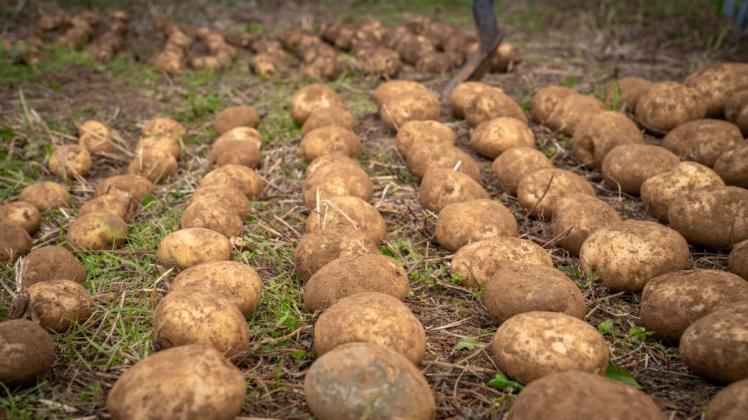
Every May 30th, World Potato Day is celebrated, a date established by the UN in 2023 to highlight the importance of this food, one of the most consumed in the world, and its crucial role in global food security. Originating in the Andes Mountains, the potato has become one of the five most important crops worldwide, playing an essential role in the diets of millions of people.
In Chile, its impact is equally significant. According to the Office of Agricultural Studies and Policies (ODEPA), between 35,000 and 40,000 hectares of potatoes are planted each year, making it the fourth most widely cultivated crop in the country. Furthermore, it is the second most consumed food by Chileans, both in terms of volume and caloric content, and boasts approximately 250 native varieties, concentrated mainly in the south and the Chiloé region.
In the words of Ismael Plácido Tomielis, Agro Business Manager at PepsiCo Chile: "The main challenge for agriculture today is not only producing food, but doing so in a resilient way in the face of climate change, using fewer resources and ensuring long-term sustainability."
**Its importance in the national context**
The complex global scenario comprised of climate change, water scarcity, and the need to optimize resources has necessitated significant changes in agricultural production. Within this context, potatoes stand out in Chile, with an annual average production of over one million tons, representing one of the most significant crops economically and socially.
On a global scale, potato cultivation is also highly significant. According to data from the International Potato Center, more than 300 million tons are produced annually. This positions it as the third most important food in the world from a nutritional perspective, surpassed only by rice and corn. Currently, it forms part of the basic diet of more than 1.4 billion people. Given this scenario, various stakeholders in the sector have begun to integrate innovative technologies to address the production challenges facing this crop. Among them is PepsiCo, which contributes approximately 68,000 tons annually from some 1,800 hectares distributed across different regions of the country.
**Agricultural innovation: drones, sensors and artificial intelligence**
Potato production today faces increasing challenges related to water availability, climate variability, pests and diseases, as well as the challenge of producing more with fewer resources. In response to these difficulties, precision agriculture has emerged as an effective solution for optimizing inputs and supporting more informed decision-making.
Advanced tools such as drones, sensors, satellite imagery, and monitoring platforms allow for the rapid identification of crop problems, improved resource management, and detailed tracking of plantation conditions. Companies like PepsiCo are already using these technologies from La Serena to Puerto Varas to manage their production plots.
According to Ismael Plácido Tomielis, "the incorporation of technologies such as drones and sensors is revolutionizing the way we manage crops, achieving a more efficient, predictive and sustainable agriculture."
Thanks to these tools, it is possible to detect factors such as water stress, nutritional deficiencies, or pest infestations in the early stages of crop development. This facilitates the design of agricultural maps and improves key decisions regarding fertilization, irrigation, and general management. Furthermore, complementary technologies such as soil sensors and automated systems allow for near real-time monitoring of production conditions, increasing both operational efficiency and traceability.
**Towards regenerative agriculture**
In addition to using advanced technology, the sector has also emphasized strengthening soil health and promoting resilience through sustainable strategies. Regenerative agriculture is gaining momentum by integrating practices that reduce soil erosion, increase organic matter, and foster biodiversity while optimizing vital resources such as water and nutrients.
Fuente: redagricola.com