Chile: International Potato Day highlights the nutritional and productive importance of this crop, which is present in more than 150 countries
The third edition of the commemoration focuses on highlighting the importance of this crop as a source of sustenance, its contribution to strengthening rural economies and its key role in the development of sustainable agri-food systems.
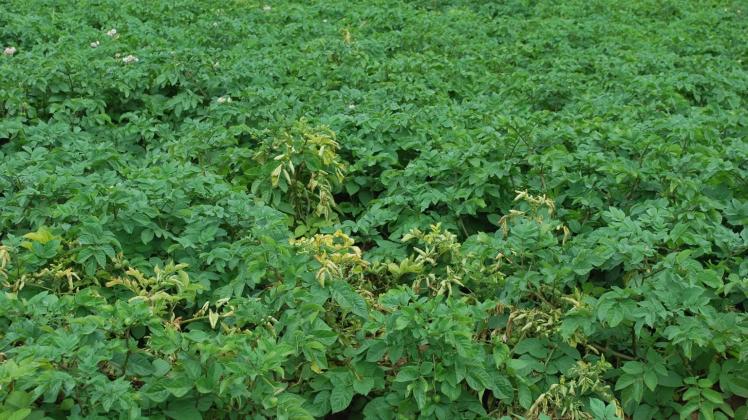
May 30th will mark the third edition of International Potato Day, a date proclaimed by the United Nations in November 2023 with the aim of highlighting the nutritional, economic and cultural values of this tuber native to the Andean highlands.
The potato (Solanum tuberosum) is currently among the five most important crops in the world, being produced in virtually all regions of the planet.
In this new commemoration, originally promoted by the Food and Agriculture Organization of the United Nations (FAO) at the initiative of Peru, the motto is: "Where potatoes grow, livelihoods flourish." Under this slogan, the day seeks to highlight the role of potato cultivation as a driver of sustenance, a promoter of rural economies, and its positive impact on sustainable agri-food systems present in more than 150 countries.
According to data from the International Potato Center, this crop reaches a global production of over 300 million metric tons annually, positioning it as the third most important food from a nutritional standpoint, after rice and corn. Furthermore, it is a staple in the daily diet of more than 1.4 billion people.
**A nutritional pillar**
The potato is composed of 72-75% water, 16-20% starch, 1-1.8% fiber, and 0.15% fatty acids. According to Camila Donoso Barraza, an academic at the Department of Nutrition and Dietetics in the Faculty of Pharmacy, this tuber is key to global food security due to its productive efficiency: it offers more food per hectare and requires less water than most cereals. Additionally, it provides energy at a low cost.
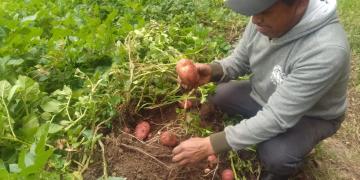
According to Donoso, darker varieties, such as red potatoes, are especially beneficial due to their anthocyanins, antioxidant and anti-inflammatory compounds. They also contain lutein, essential for eye health and protection against sun damage. Furthermore, potatoes provide vitamin B6, crucial for immune function, and their fiber content promotes a feeling of fullness.
A serving of just 100 grams can cover between 25% and 50% of the recommended daily intake of vitamin C. Maintaining these adequate levels helps to significantly reduce the risk of cardiovascular disease and certain types of cancer.
In Chile, the average per capita consumption of potatoes reaches between 50 and 55 kilos annually. According to Silvana Cisterna León, also an academic at the Department of Nutrition and Dietetics, this is a healthy level, equivalent to about 150 grams per day, roughly half a potato a day. This consumption places the country above the global average (30-35 kilos per capita), highlighting potatoes as an essential component of Chilean cuisine in traditional dishes such as stews, mashed potatoes, and boiled potatoes. Even so, it does not reach the extremes observed in Eastern Europe, where consumption exceeds 130 kilos per capita annually.
However, Cisterna cautions that while potatoes are very healthy, consumption of fried potatoes and related products like packaged snacks should be moderated. When fried, potatoes triple their calorie content and can produce harmful compounds due to the high temperatures. Therefore, it is recommended to opt for healthier cooking methods such as steaming or baking. Furthermore, consuming cold potatoes after cooking alters their starch content, slowing its impact on blood sugar levels.
**A key crop**
In Chile, potatoes are one of the most important crops in terms of cultivated area, occupying between 35,000 and 40,000 hectares annually. According to Nelson Zapata San Martín, an academic at the Department of Plant Production in the Faculty of Agronomy, a large part of these areas are managed by small farmers.
In fact, approximately 25,000 agricultural production units (UPAs) in Chile depend on potato cultivation, making it the annual crop with the largest number of producers in the country, according to data provided by the Office of Agricultural Studies and Policies (ODEPA). For many small farmers, this tuber represents a fundamental economic base for their families.
Despite being an essential food for domestic consumption, Chile does not produce enough to meet all internal demand. While a minimal fraction is exported as seeds or in processed products (a market still under development), the country
Fuente: noticias.udec.cl