
Brazil: Embrapa launches potato cultivar for the potato and straw industry.
Embrapa’s new potato cultivar combines key characteristics for both growers and processors, including high yield, disease resistance, and excellent frying performance.
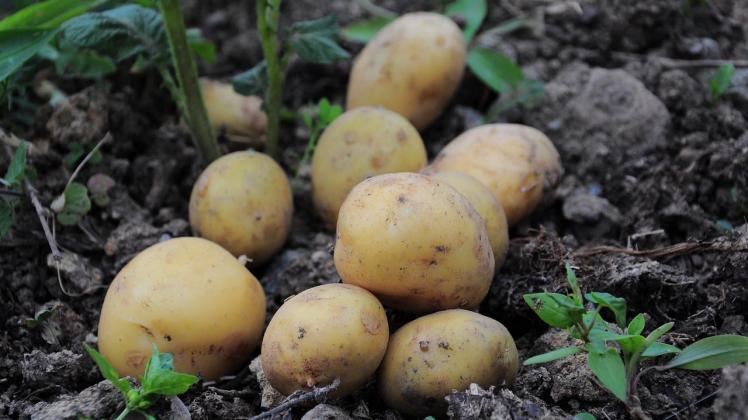
Developed over a decade of work in the Potato Genetic Improvement Program, BRS F21 earned the nickname “Braschips” for its high industrial production and the superior quality of the potato chips it produces.
“This cultivar is ideal for industrial processing because it combines two factors that indicate excellent frying quality,” explains researcher Giovani Olegário of Embrapa Hortaliças (DF). “The high dry matter content means the tubers contain less water, resulting in drier, crispier fries. At the same time, the low sugar content prevents caramelization, producing a lighter, more uniform color that consumers prefer.”
See morePotato regulationsCentral MarketPapaya cultivation coursesDollar to Euro Exchange RateWholesale pricesAgronomic consultingCentral market pricesCentral Market of Buenos AiresMarket newsInternational pricesOther advantages include a firm texture, a distinctive flavor, light yellow flesh, and an oval tuber shape—characteristics that promote consistent, high-quality frying. The cultivar also exhibits a low incidence of physiological disorders, such as internal discoloration and cracking, which helps reduce processing losses and increases industrial yield.
Whether produced as chips or low-cost potatoes, the BRS F21 performed well in preliminary trials in collaboration with industry. The project has now moved to larger-scale evaluations to confirm its acceptance among growers who supply potatoes for processing, according to a press release.
High Productivity and Stability
The cultivar arrives on the market with the potential to outperform the main competitors in yield, broad adaptability and consistent performance in the main potato-producing regions of Brazil, including the Triángulo Mineiro, one of the country’s most important potato-supplying areas for the agro-industry.
The vigorous growth and higher yield potential of the BRS F21 potato contribute to lower costs for raw materials destined for industrial processing into chips or straw. “Another important feature is the slightly longer production cycle, which ensures greater starch accumulation in the tubers, reaching the levels desired by the industry,” says Olegário.
At harvest time, desiccation, followed by a period of approximately 10 days (when the sugars convert to starch), is a key step in producing light-colored chips. The researcher notes that, toward the end of the growing cycle, regular monitoring with field samples is essential to assess dry matter and frying quality, as well as to determine the ideal harvest time.
Resistance to PVY
A key competitive advantage of the BRS F21 potato cultivar is its resistance to PVY, one of the most serious phytosanitary challenges for the crop and the virus with the greatest socioeconomic impact on potato production in Brazil. “This disease, known as mosaic virus, causes yellowing and weakening of the plant, which significantly reduces crop yields,” Olegário stated.
Since potatoes are propagated through tubers, PVY infection can also severely compromise seed quality. Thanks to its low susceptibility to the virus, Embrapa’s new cultivar helps preserve plant vigor across successive production cycles, representing a significant advance for the industry. BRS F21 also demonstrated good resistance to late blight and black spot, two major foliar problems in the main potato-producing regions of southern Brazil.
See morePotato priceWholesale pricesCentral market pricesPrice variationInternational pricesCentral MarketPotatoBooks about PopesPotato marketPotato ClassifiedsDiversification of Embrapa’s cultivar portfolio
Embrapa’s Potato Genetic Improvement Program develops cultivars for different market segments, adapted to the tropical and subtropical growing conditions of Brazil.
“When developing cultivars, we consider consumer satisfaction, through approval in the field and in the industry, to obtain quality products that meet different demands,” explains researcher Caroline Castro, leader of the program.
The range of cultivars considers both fresh consumption, which promotes culinary appearance and versatility, and industrial use, which requires cultivars with characteristics that meet processing needs.
Over the past decade, Embrapa’s research has led to the release of four additional cultivars besides BRS F21 (Braschips). BRS F63 (Camila), released in 2015, is recommended for cooking, salads, and similar dishes, including gourmet preparations. In 2021, BRS F183 (Potira) was introduced, targeting the frozen and pre-fried market. BRS F50 (Cecília), released in 2022, was developed for organic production systems. More recently, BRS Gaia (2023) offers versatility for both frying and cooking, with medium to high hardiness, and is recommended for cultivation in southern Brazil.
According to researchers, the limited availability of high-quality cultivars adapted to the Brazilian climate, especially those tolerant to heat, can reduce planting windows and reduce
The overall production capacity, while limiting the supply of quality raw materials for the industry.
The improvement work is being carried out in collaboration between Embrapa Temperate Climate (RS) and Embrapa Vegetables, with evaluations at the Canoinhas Experimental Station (EECan) in Santa Catarina and the Cascata Experimental Station (EEC) in Pelotas. The development of new materials also includes evaluations by partner producers and industries from different regions of the country.
Fuente: seedworld.com


