Northern Europe has significantly reduced its potato crops after a disastrous year.
The NEPG sector organization, which includes France, Germany, Belgium and the Netherlands, confirms a drop in cultivated area of almost 67,000 hectares.
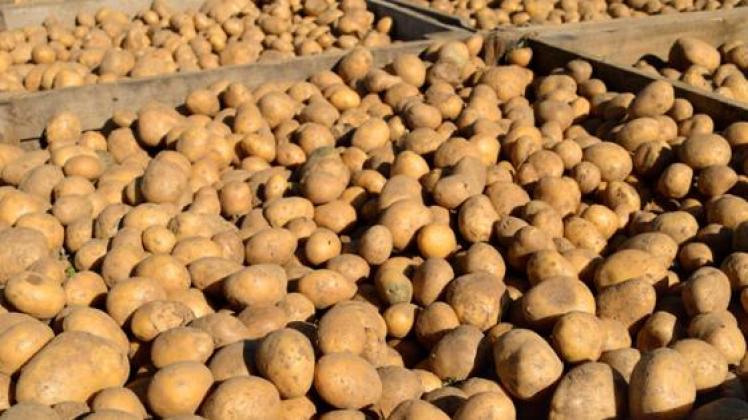
Official data provided by the organization shows a general decline in the region, falling from 604,100 hectares last year to 536,900 hectares this season. Belgium leads the decreases with a 16.6% drop, followed by the Netherlands, down 15.1%, and France, down 9.7%. In Germany, preliminary estimates confirm this same downward trend, placing the regional average reduction at around 11%.
This reduction in cultivated area is the result of a strategic decision by the sector after a year of marketing that the association describes as historically challenging. For months, prices on the open market fluctuated between 0 and 2 euros per 100 kilos, figures unseen in recent decades. The group indicates that, despite the lack of viable alternatives in other herbaceous crops, reducing plantings was the only option to try to correct the market imbalance.
The risk of exhausting the first link
Beyond the free market, the organization’s concern now centers on the conditions imposed by the processing industry. Contracts at the source for this season are being finalized at around €12.50 per 100 kilos, figures which, according to the group, do not cover the increased production costs stemming from fertilizers, energy, and machinery.
The organization warns that this pricing strategy by the industry could have serious long-term consequences for the entire value chain. In this regard, they insist that the viability of the crop requires balanced contractual relationships that ensure remuneration adjusted to the economic reality of farms.
Despite the confirmed decrease in planted area, industry leaders emphasize that it is still too early to predict the final volume of this year’s harvest. Yields and tuber quality will depend on weather conditions in the coming months, especially after the recent heat waves that have created uncertainty about the plants’ physiological development.
Fuente: agrodigital.com