Colombia: PepsiCo implements a clean energy-powered fertilizer that could reduce emissions from potato crops by up to 90%.
The project integrates emissions reduction with increased productivity and optimized resource use.
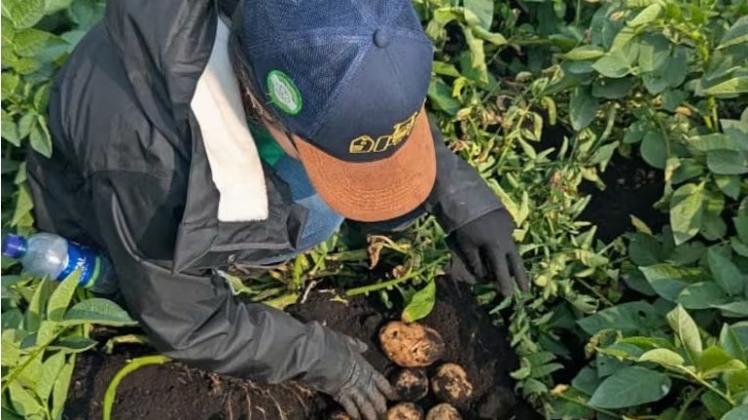
The food industry is beginning to take firm steps toward decarbonizing its supply chain. PepsiCo, in collaboration with Yara Colombia, has implemented a pilot project in the country that seeks to incorporate fertilizers manufactured with renewable energy into potato cultivation, a key resource for brands like Papas Margarita and DeTodito.
The project is being carried out on 596 hectares located in Cundinamarca and Boyacá, representing approximately 13% of the total potatoes supplied to the company in Colombia, equivalent to about 15,000 tons per production cycle. The goal is to evaluate how these fertilizers impact both emissions reduction and improved agricultural efficiency.
The initiative revolves around the use of Yara Climate Choice fertilizers, whose production reduces emissions by up to 90% compared to conventional processes. This pilot program builds on previous progress, as currently 72% of the potatoes supplied to PepsiCo use low-carbon fertilizers, which reduce emissions by up to 60% compared to traditional options.
If the implemented practices are maintained and scaled up, it is estimated that an additional 27% reduction in the carbon footprint could be achieved for every ton of potatoes produced. This would have a direct impact on the sustainability of the value chain for mass-market consumer goods in the country.
In addition to the environmental component, the project also includes productive benefits. Optimizing nutrient use, conserving water sources, and strengthening soil health are all aimed at increasing agricultural productivity. This is essential for a strategic crop like potatoes, which are key to ensuring food security in Colombia.
However, the challenge lies in scaling these solutions to a broader level. PepsiCo operates approximately 2,300 hectares dedicated to potato cultivation in the country, so the possibility of expanding the pilot program will depend on the technical and economic results obtained in this initial phase.
Fuente: semana.com