
Spain: In just one year, the price of potatoes in Ourense has fallen to 0.18 euros per kilo
"Who makes all that profit? Or what works in that the pataca chegue aos fogares non, only the intermediary between them and us, or supermarket, leva case everything"
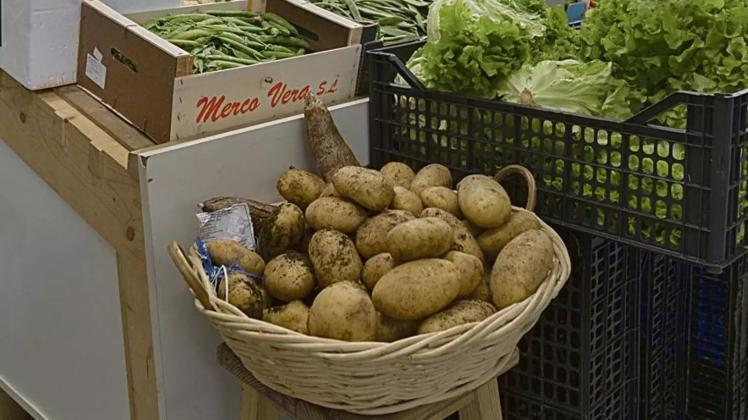
Tractor drivers protesting in Ourense say the price they receive for potatoes in the province has plummeted to €0.18 per kilo, while consumers pay nearly €2 in supermarkets—up to ten times more. This drastic difference is a major source of frustration for the sector, which is receiving less and less while the final price remains stagnant. “Who’s reaping all that profit? Not those who work to get the potatoes to people’s homes, just the middleman between them and us, the supermarket, who takes almost everything,” exclaimed Jesús Prieto, a farmer from Xunqueira de Espadanedo.
Historic collapse
This situation represents a historic collapse in the farmgate price. In the 2024 season, farmers received an average of around €0.30 per kilo, a figure already considered low, but one that allowed them to cover costs under normal production conditions. In just one year, the price has fallen to €0.18, a drop of nearly 60%, a cut that has left the sector with no room to maneuver and on the verge of selling at a loss.
" Producing one hectare of potatoes in A Limia currently costs around 10,000 euros"
See morePope’s QuoteInternational PricesPotato ProductionPapa ClassifiedsPotato storage equipmentSolanum tuberosumWholesale potato bagsPotato market researchCentral MarketAdvertising on PortalThe price drop also coincides with a sharp increase in production costs. Producing one hectare of potatoes in A Limia currently costs around €10,000, driven primarily by the cost of seed, which now represents about 35% of the total. This is compounded by expenses for machinery, pesticides, fertilizers, and fuel, in a context where the ban on certain active ingredients forces farmers to use more treatments with less effectiveness.
Adding to this economic scenario are the production problems stemming from adverse weather. Rainfall concentrated in a few months and episodes of extreme heat, along with an abnormal drought last summer—when the province received nearly seven times less rain than normal—have led to uneven crop development and yields below the historical average. The sector anticipates that this year will be particularly challenging in this regard, with reaching 40 tons per hectare proving difficult, further reducing income.
Potato producers in the province, especially those located in the A Limia region, are experiencing one of their worst crises, hampered by increasingly lower selling prices that barely cover the cost of production. This situation would become much more complicated if the next Common Agricultural Policy (CAP) of the European Union comes into force in 2028, with a planned 22% cut in its funds that would radically limit aid to farmers.
Fuente: laregion.es


