Chile: In the context of International Potato Day, what is INIA’s contribution to the development of the potato sector?
This day presents an ideal opportunity to highlight the importance of this food and to promote the development of new potato varieties in Chile, along with their corresponding technological packages.
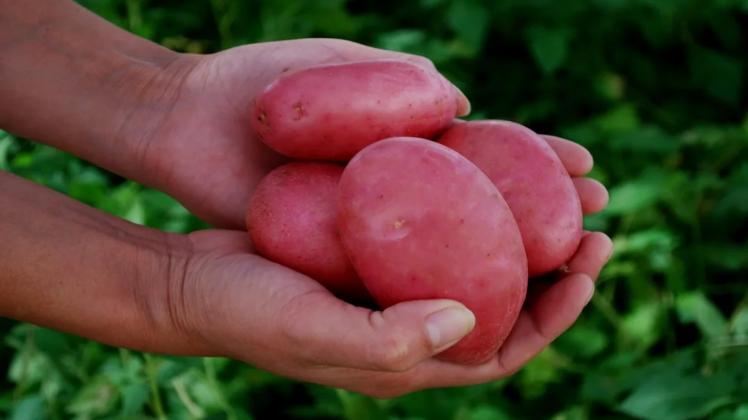
The potato is one of the most important foods for human nutrition globally. It is estimated that approximately 1.4 billion people consume it regularly, noting its high starch content, minerals such as potassium and phosphorus, B and C vitamins, antioxidants, and other beneficial compounds. Its culinary versatility and historical connection to our region make it an essential product.
Chile is home to one of the world’s main centers of potato genetic diversity, with the Chiloé Archipelago being a key hub. Research indicates that the genetic base of the varieties now cultivated worldwide originated in southern Chile.
The National Institute of Agricultural Research (INIA) has been fundamental in developing this crop through significant advances in genetics, agronomy, phytopathology, value-added processing, and conservation of genetic resources. INIA has transferred knowledge to farmers of varying scales, implemented support platforms, created seed production centers, and promoted scientific outreach in diverse regions of the country. Furthermore, it has established a Potato Germplasm Bank and a National Potato Breeding Program.
Thanks to INIA’s efforts, farmers and technicians have gained access to tools that support their professional development through training such as field days, technical talks, conferences, publications, and digital platforms. They have also benefited from cultivating seeds developed by the institute and applying its technical recommendations to optimize production.
In the field of genetics, INIA has led the development of 16 new potato varieties. A prime example is Patagonia-INIA, characterized by its high hardiness and resistance to late blight, allowing it to be cultivated with reduced use of agrochemicals. This variety has proven to be a sustainable and profitable source of income for small, medium, and large farmers across the country. Porvenir-INIA, another innovative variety, stands out for its high yield potential, excellent quality, and adaptability to diverse culinary preparations, creating opportunities for premium products.
The Yaike-INIA variety represents a significant advance, being highly resistant to potato virus Y and suitable for multiple preparations. This development helps mitigate losses due to viral diseases, a particularly critical problem in seedbeds.
Furthermore, INIA has promoted alternative uses for potatoes with the Quelhue-INIA, Aspel-INIA, and Suyai-INIA varieties, which have purple and red flesh. These varieties not only offer unique culinary possibilities but also allow for the extraction of natural dyes, expanding the crop’s applications.
Specifically, the Rayún-INIA variety stands out for its high starch content, making it an interesting option for the specialized production of potato chips, starch extraction, and alcohol production. On the other hand, Kuyén-INIA is ideal for making fried potato sticks.
With decades dedicated to agricultural development, INIA continues to contribute essential innovations to potato cultivation. From heirloom varieties like Desiree, Yagana, Pukará, and Karú to the most recent advancements mentioned, its contributions have increased the sector’s productive potential. This directly contributes to strengthening the country’s food security and sovereignty.
Fuente: diariodeosorno.cl