
Spain (Salamanca): From worrying about sowing, to getting ahead and planting potatoes first
The price of contracts for potatoes destined for industry is decreasing, which will likely result in a reduction of cultivated hectares.
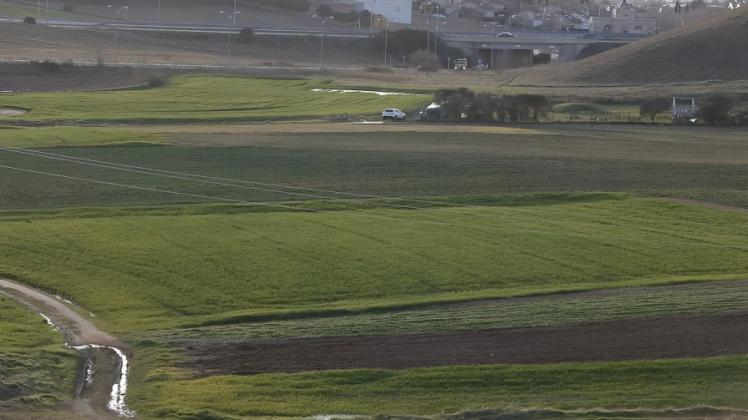
The situation has taken a remarkable turn in the agricultural fields. Not long ago, waterlogged land prevented farmers from accessing their fields, raising fears that they would be unable to work for weeks. However, the current weather conditions, characterized by high temperatures that promote rapid drying of the plots, have encouraged some to consider planting potatoes earlier than last year. In approximately 15 days, several producers plan to begin planting, provided the water has completely evaporated. This progress is even more noticeable in certain irrigated areas and those with efficient drainage systems. Meanwhile, the corn harvest has resumed, even though the soil still retains some moisture.
Regarding potatoes, uncertainty remains as to whether the same number of hectares will be planted as last year or if it will be less, as the current situation seems to indicate. Last year, Salamanca dedicated 5,232 hectares to this crop, consolidating its position as the second province in Castile and León with the largest area dedicated to potatoes, after Valladolid (5,595 hectares). Across Castile and León, the total planted area reached 19,498 hectares.
According to industry estimates, 500 hectares remain to be harvested in Salamanca and around 1,000 across the Castile and León region. However, buyers say these fields have no market due to damage caused by recent rains. Adding to this is the problem of potatoes stored after the harvest, which also cannot find a market due to weak demand and the lack of a set price. This situation has generated concern among farmers, who are also facing downward adjustments in the prices stipulated in contracts for the next harvest. Buyers argue that there is a considerable surplus of potatoes in the rest of Europe that needs to be sold, which is negatively impacting the sector.
Particularly relevant is the impact on seed varieties such as "Agria," one of the most valued and expensive. This year, its price has fallen due to reduced demand from countries like Egypt and Morocco, influenced by the surplus of potatoes available in Europe. Currently, contracts for potatoes destined for processing are being signed at prices approximately two cents lower than in the previous season, although this varies depending on the variety. The overall outlook for this season remains highly uncertain.
Fuente: lagacetadesalamanca.es


