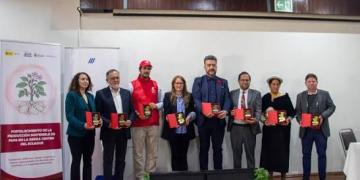
Costa Rica: The Ministry of Agriculture and Livestock (MAG) is implementing actions against the smuggling of potatoes and onions
The Ministry of Agriculture and Livestock (MAG), with the technical support of the International Regional Organization for Agricultural Health (OIRSA), has launched a pilot plan for the National Voluntary Agricultural Traceability System.
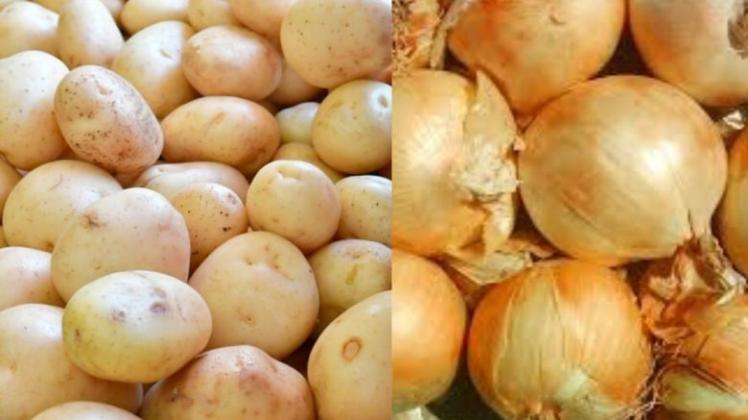
This project, which begins with potatoes and onions, is part of the actions aimed at improving the production and commercial standards of national agriculture.
The program allows for the recording and tracking of every stage of the production and commercial process, from seed selection, through planting and harvesting, to packaging, transport, and distribution to the end consumer. All of this is accompanied by compliance with strict quality and safety requirements.
The new system offers significant advantages in controlling agricultural smuggling, as it facilitates the identification of the time elapsed from harvest to sale, allows for tracing the product’s origin, and records its movement within the country. This strengthens market oversight measures.
The Minister of Agriculture, Víctor Carvajal Porras, emphasized that this system will provide advance information on production supply, allowing farmers to identify market opportunities, better organize their crops, and guarantee consumers access to fresh produce. He also noted that this initiative is key to preventing smuggling and advancing the modernization and sustainability of the sector.
For consumers, the system provides greater transparency regarding the origin and handling of the agricultural products they purchase, thus reducing the risk of buying products without sanitary control or that have been illegally brought into the country.
The first stage of the pilot program is being carried out with producers participating in the Comprehensive Program for Improving the Competitiveness of Potato and Onion Crops. This initial phase involves at least 20 producers, each of whom has an estimated investment of up to ₡5 million for the implementation of drip irrigation systems and sensors that monitor water and nutrient needs in cultivation areas of up to 5,000 square meters.
In addition to the use of advanced technology, farmers will receive training focused on improving production management, increasing their competitiveness, and ensuring that final products meet the quality standards demanded by the market. The registration and training process officially began on Monday, January 12, 2026, with a workshop for producers and agricultural technicians to guide them in the optimal use of the system and the correct collection of data in the field.
The Ministry of Agriculture and Livestock (MAG), together with the International Regional Organization for Agricultural Research (OIRSA), projects that this pilot program will serve as the foundation for extending traceability to other crops and production chains. The aim is to strengthen agricultural controls, improve the sector’s competitiveness, and ensure greater consumer protection.
Meanwhile, the agricultural sector faces international challenges. Competition from non-EU imports has created a market imbalance. Countries like Egypt, Israel, and Morocco export large volumes of potatoes at very low prices, severely impacting the profitability of local producers. According to research by the website patatadesiembra.es, this "unfair competition" arises because many of these imports do not meet the same European regulatory standards in terms of food safety. This puts domestic farmers at a disadvantage, as their products, despite being produced under strict regulations, struggle to compete on price with cheaper foreign alternatives.
For this reason, the call to protect local production against unequal trade practices is intensified, emphasizing the search for solutions that favor both the sustainability and profitability of national farmers.
Fuente: argenpapa.com.ar/noticia/16945-