Argentina: Biological corridors in potato fields, producing more and better by integrating biodiversity into the production model
In modern agricultural systems, it is becoming increasingly important to find ways to produce efficiently, without losing sight of the care of the surrounding environment.
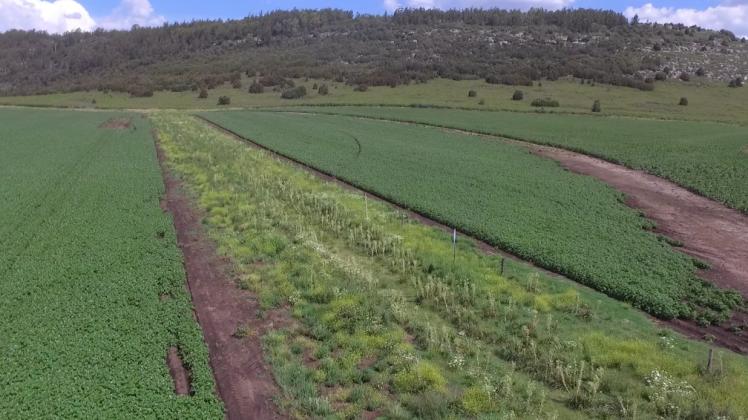
In the case of potato production, one practice that is beginning to gain ground is the incorporation of biological corridors within production facilities .
In various potato fields in the region, the University Forestry Technician Sergio Bravo has been promoting the implementation of these ecological structures within the agricultural landscape, integrating native vegetation and vegetated borders that connect different environments of the field.
The idea is simple but effective: to leave or create strips of vegetation that function as a refuge and connection for biodiversity within productive plots .
How biological corridors are applied in potato fields
In establishments dedicated to potato cultivation, biological corridors can take different forms depending on the field structure and the design of the plots.
Among the most frequent examples are:
1. Vegetated borders in potato fields : Strips of vegetation are maintained or planted along the edges of the production fields. These strips may include native shrub and herbaceous species that provide shelter for beneficial insects, birds, and other organisms.
2. Tree curtains or lines: In some cases, forest curtains or lines of trees are incorporated which, in addition to fulfilling productive functions—such as protection against the wind—act as biological corridors that connect different sectors of the establishment.
3. Connection between natural environments: Corridors can also link mountains, lowlands, grasslands, stream banks or natural areas present within the field, allowing the movement of fauna, insects and birds, favoring the ecological balance of the system.
4. Internal vegetation strips: In large-scale fields, small strips of vegetation can also be incorporated between plots or sections of the property, creating an internal biodiversity network. In this case, the edges of the plot’s contour lines can be utilized.
A contribution to certifications and sustainable production
The incorporation of biological corridors also aligns with the criteria of international certifications such as GLOBAL GAP, LEAF, ISO 14001, SGRS, etc., which are increasingly used in the agri-food chain.
These certifications promote practices that demonstrate responsible environmental management, including: conservation of natural habitats, protection of biodiversity, and sustainable management of the productive landscape.
In this sense, the presence of biological corridors can add value within certification systems and strengthen the environmental profile of producing establishments.
Science and production working together
The development of these corridors also benefits from the scientific community. Patricia A. Suárez, a Plant Production Specialist at the IIMyC (National Institute of Scientific and Technological Research), CONICET-UNMdP (National University of Mar del Plata), who is responsible for the MDQ Herbarium and the Plant Diversity Laboratory, collaborates by contributing knowledge about native flora and plant biodiversity, helping to identify suitable species for these areas within agricultural production facilities. In addition, the insect communities present in the biological corridors and the birdlife associated with the crops—two key components of functional biodiversity—are being analyzed. This research has the technical support of CONICET research groups.
A growing trend in agriculture
The implementation of biological corridors demonstrates how biodiversity can be integrated into the production system without competing with it, generating both environmental and productive benefits. As markets and certifications increasingly value sustainability, these initiatives are beginning to solidify as a strategic tool for the agriculture of the future.
The work promoted by Sergio Bravo and the collaboration with the scientific community show that agricultural landscapes can be productive and biodiverse at the same time, marking a possible path towards increasingly responsible agriculture.
Biodiversity work is not only done in the countryside.
Disseminating these practices to the community is one of its fundamental pillars. In recent months, various initiatives have been carried out in conjunction with leading companies in the sector, such as Potato Growers and El Parque Papas , aimed at raising awareness about biodiversity in production systems. These activities include field visits with different stakeholders in the value chain and talks in primary and secondary schools, bringing these experiences closer to both the agricultural sector and the educational community.
Contacts:
Patricia Suarez: patri.suar68@gmail.com
Sergio Bravo: slbravo_ar@yahoo.com.ar
Fuente: Forestry Technician Sergio Bravo/Patricia Suarez