Great Britain: Growers are being encouraged to clean their storage units and submit results of CIPC residue tests before the deadline.
Potato growers are encouraged to focus on cleaning their storage facilities and to submit their chlorpropham (CIPC) residue sampling results before the approaching deadline.
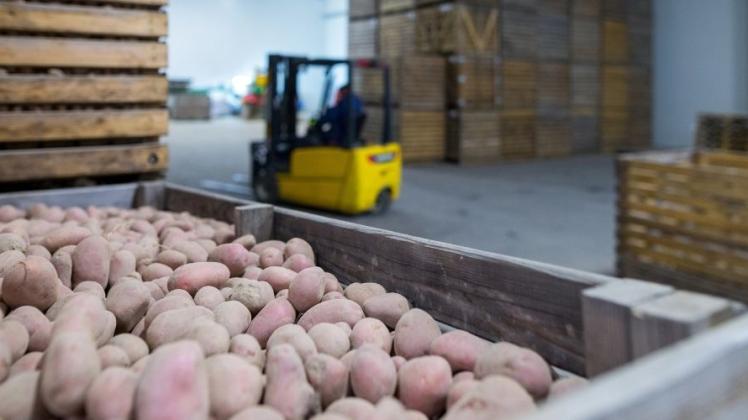
The GB Potatoes and the CIPC Residues Monitoring Group (CRMG) have made an appeal following the latest surveillance data, which reveals that chlorpropham (CIPC) residues in potato storage facilities are still within the allowed limits.
Residue levels are on a downward trend, highlighting the progress achieved by the industry since the discontinuation of CIPC in 2020. Previously, CIPC was applied to over 90% of the approximately 3.5 million tonnes of potatoes stored in Britain. However, its approval was revoked by the European Commission six years ago.
Currently, about one in seven storage facilities show detectable CIPC residues, a reduction from one in four in the first year of monitoring. Although these levels comply with regulatory limits, they indicate that past residues can persist and emphasize the need for consistent and thorough cleaning.
Adrian Cunnington, chair of the CRMG, pointed out that while the trend is promising and the industry’s efforts are commendable, vigilance is necessary. With approximately one in seven facilities still showing positive results, additional work is needed, and thorough cleaning between storage seasons remains critical for growers.
The CRMG is particularly urging those involved in supplying the fresh sector to participate in this season’s monitoring program. The deadline for submitting residue sampling results is August 31st, with a final report to be sent to regulators by mid-September.
The temporary maximum residue level (tMRL) for CIPC is set at 0.35 mg/kg. While current monitoring results are under this threshold, ongoing sampling and effective cleaning are vital to ensure compliance and prepare for any potential tightening of regulations. The sample submission form is available for access.
Fuente: farmersguide.co.uk