Ecuador: The country where every pope tells a story of origin, dedication, and hope.
The ancestral crop, a key element in guaranteeing the country’s food security, faces new challenges linked to climate change, the appearance of pests and the urgent need to integrate technologies that optimize its productivity.
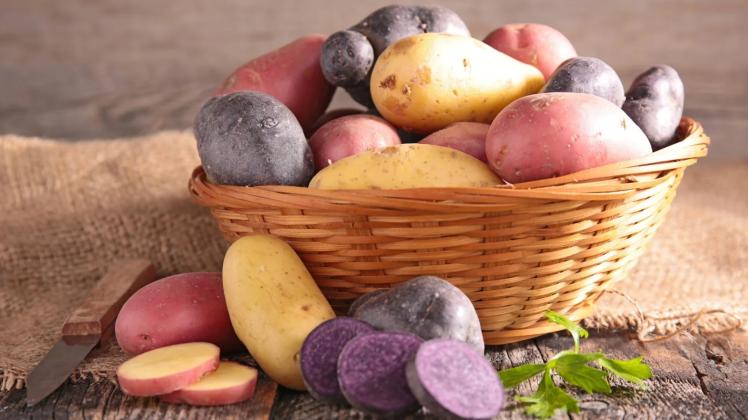
Imagining the steam rising from a freshly cooked potato reminds us that this food transcends its role in our diet. It embodies history, identity, and the fruit of the labor of thousands of hands that, from the Andean peaks, work every day to nourish the country.
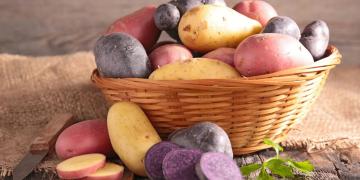
Ecuador, besides being a biodiverse country, is custodian of one of the world’s most precious agricultural heritages. According to the National Institute of Agricultural Research (INIAP), more than 500 varieties of potatoes thrive in Ecuador’s fertile soils, each with unique characteristics in flavor, color, and resistance. This genetic mosaic contributes not only to national food security but also to maintaining a connection with the deepest roots of the country’s cultural identity.
This diversity could not exist without those who work tirelessly to preserve it. Data from INIAP indicates that approximately 83,000 Ecuadorians are directly involved in the potato production chain, generating roughly 1.5 million workdays annually. Behind every harvested potato are families whose daily lives are marked by hard work, climate uncertainty, and crucial decisions that determine the success of their crops.
An agricultural engine that originates in the Sierra
In Andean regions like Carchi, Cotopaxi, Tungurahua, and Chimborazo, potatoes are not just cultivated: they are part of the way of life. Each area contributes its own unique characteristics, from agricultural technology that promotes greater productivity to the traditional practices of small farmers that sustain local and family economies.
With a projected production of over 221,000 tons in 2024, according to the Continuous Agricultural Area and Production Survey (ESPAC 2024), this crop occupies a central place in the national agricultural landscape. But beyond the figures and yield, the potato represents a dynamic system where tradition, ancestral wisdom, and innovation converge.
Adaptation and constant evolution
The current situation demands more than experience to grow potatoes in Ecuador; it requires vision and adaptation. Unpredictable changes in climate, variations in rainfall and temperatures, as well as the rapid spread of diseases, have transformed agricultural challenges into urgent issues.
Threats such as larval disease, emerging pests, and soil problems can ruin entire harvests in a matter of days. Faced with this reality, one conclusion is clear: to be successful, producers must anticipate and prepare for change and unforeseen events. This need has driven an evolution toward more specialized techniques, where prevention and technology play fundamental roles in protecting every hectare of cultivated land.
Technology as a strategic ally
In the modern agricultural context, technology has gone from being a complement to becoming a crucial element. The use of certified seeds, for example, can make a significant difference between an ordinary harvest and an outstanding one: yield per hectare could increase from the current 12.7 to almost 20 tons, according to statistics from the Ministry of Agriculture and Livestock. However, INIAP points out that less than 2% of cultivated land uses these advanced inputs, thus revealing enormous untapped potential.
Furthermore, technologies such as digital tools, weather stations, precision agriculture, and sustainable systems are proving effective in optimizing resources, improving crop quality, and mitigating risks.
A crop that sustains lives
Potato production not only symbolizes food, but also serves as a factor for social inclusion and community development. According to INIAP, approximately 47% of those involved in potato cultivation are women, who play key roles in the production, organization, and sustainability of rural economies.
Fruitsand vegetablesIn this way, each harvest not only fills the plates of Ecuadorian families; it also nourishes dreams, fosters opportunities, and sustains a shared legacy that endures generation after generation.
Fuente: kchcomunicacion.com