A biodegradable bioplastic made from potatoes: the innovation lies in a modified bacterium capable of generating it in just 24 hours.
The bacterium Bacillus subtilis stands out as a solid and highly interesting platform for the industry, intended for the production of PHB, a biodegradable and renewable biopolymer, using potato starch as a raw material.
Every year, hundreds of millions of tons of petroleum-based plastics are generated, a large portion of which ends up polluting the environment or being incinerated, exacerbating both greenhouse gas emissions and the environmental crisis stemming from plastic pollution. In this context, a team of researchers led by the University of Barcelona has developed a biodegradable bioplastic with high industrial value, known as polyhydroxybutyrate (PHB), produced from raw potato starch in a single process lasting just 24 hours. This breakthrough represents a key step toward reducing dependence on fossil fuels and minimizing persistent plastic waste on the planet.
The study establishes that the bacterium *Bacillus subtilis* is a robust microbial platform of great industrial interest for the production of PHB. This biodegradable and renewable biopolymer is made using potato starch, a widely available and low-cost agricultural byproduct.
The research has been published in the journal *Bioresource Technology* and has been led by Pere Picart, professor at the Faculty of Pharmacy and Food Sciences of the University of Barcelona, together with Mercedes Berlanga, researcher at the Biodiversity Research Institute (IRBio) and the same faculty.
Production of biodegradable bioplastics from renewable resources
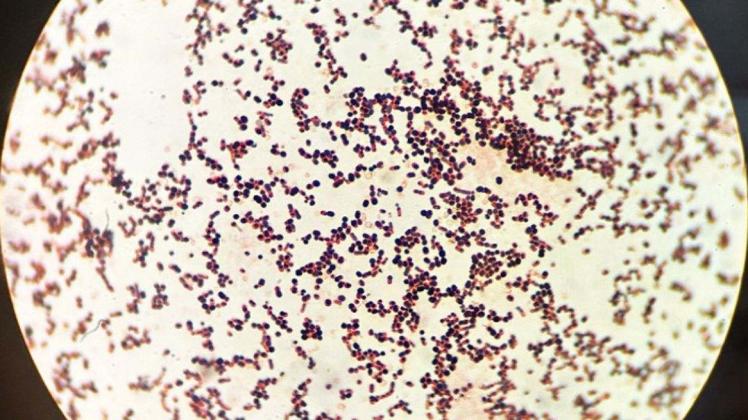
The research project employed *Bacillus subtilis*, a bacterium widely used in biotechnology due to its safety and its ability to generate enzymes and chemical compounds. According to the authors, achieving viable commercial production of PHB requires non-pathogenic, genetically malleable microorganisms that grow rapidly, are metabolically resistant, and can utilize different carbon sources.
Until now, the potential of *Bacillus subtilis* to produce PHB was underexplored, and systematic metabolic engineering strategies to maximize its capacity to generate this biopolymer had not been developed. However, by applying tools based on CRISPR-Cas9 technology, researchers reorganized the metabolism of this bacterium to enhance its PHB production. Previously, this species had been documented as accumulating limited amounts of the polymer, with a yield of less than 13% of cell dry weight.
Given these low rates, the project focused on optimizing the metabolic pathways and the generation of polymer granules in *Bacillus subtilis* to maximize its potential.
Improvements through genetic engineering
Through genetic modifications, the team developed a safe, Gram-positive bacterial platform that enables the efficient and sustainable production of PHB using raw starch. Specifically, they integrated genomics and promoted the constitutive expression of the *phaA* gene, complemented by control of the *phaRBC* operon, resulting in the effective accumulation of the biopolymer from various carbon sources. They also incorporated the *amyQ* gene, which encodes an α-amylase that facilitates the direct conversion of raw potato starch into PHB in just 24 hours.
By applying this innovative strategy in laboratory-scale cultures, it was possible to produce 11.3 g/L of biomass and 5.8 g/L of PHB, reaching a level of 51.8% of the cell dry weight of the polyhydroxybutyrate produced—on par with current commercial standards.
More sustainable and affordable bioplastics
Unlike conventional petrochemical plastics, PHB is a renewable material that helps close the carbon cycle and reduce the accumulation of persistent waste in both terrestrial and marine ecosystems. Various environmental analyses and life cycle studies support the fact that bioplastics like PHB have a lower carbon footprint and climate impact compared to many petroleum-based plastics, especially when derived from recycled raw materials or agricultural byproducts.
This technology represents a tangible opportunity to transform a serious environmental problem into a sustainable, high-value-added resource. It thus contributes to the development of a more circular and decarbonized economy, the researchers concluded.
Fuente: gacetadesalud.com