Honduras: Imports, weather conditions and pests affect potato production in Intibucá
Large-scale imports, unfavorable weather conditions, pests, and high production costs reduce competitiveness and discourage producers.
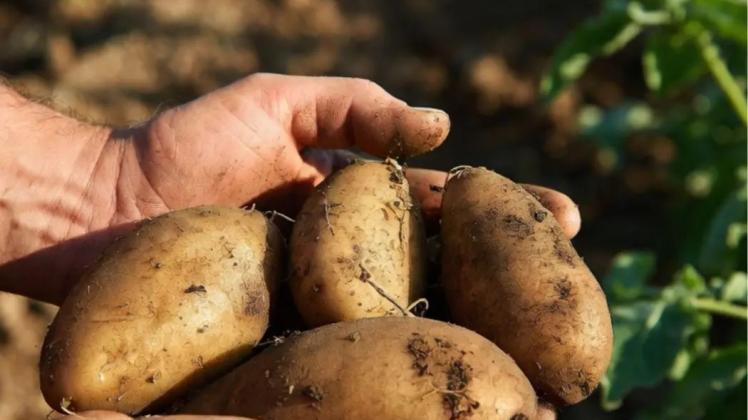
Potato cultivation, considered one of the most representative sectors of the Intibucá department and an economic and cultural foundation for its Lenca communities, is currently facing a worrying decline in competitiveness. This situation stems from massive imports, climate change, the proliferation of pests and diseases, as well as the increased costs of agricultural inputs and fuel—factors that are severely impacting the sector’s production structure.
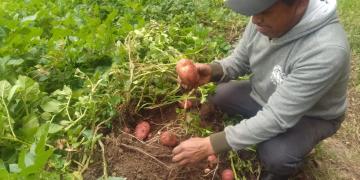
Fredy Hernández, a farmer from the community of Manazapa, located in the municipality of Intibucá, has decided to abandon potato farming and advises his children not to continue with this activity in the future. In addition to potatoes, he grows cabbage, beans, corn, and cauliflower, but he has concluded that potato production is not profitable. Now he prefers that his family explore other economic alternatives.
According to Hernández, potato farming is in decline. He states that farmers should explore other crops and seek support from local and national authorities for incentives to alleviate their situation. However, he criticizes the fact that although the government announces aid, it doesn’t reach those who need it most.
Potato cultivation in Intibucá began in the 1950s thanks to engineer Theodoracopoulos, who introduced seeds from Holland, such as the Alpha Mirka and Red Pontiac varieties. Since then, it has become a defining characteristic of the Lenca communities, but today many fear that this tradition is losing its strength.
Arnold García, head of marketing at the Intibucá Agrarian Reform Peasant Agro-industrial Enterprise (Ecarai), points out that the current situation is worrisome due to the ravages of climate change. Adverse weather conditions have intensified, and the increase in fuel prices has driven up irrigation costs at a time when water is scarce.
Furthermore, climate variability has led to a notable increase in the presence of pests and diseases. Among the most common are the potato psyllid (Bactericera cockerelli) and the potato tuber moth, which generate high phytosanitary costs and considerable losses in crop yields.
Approximately 3,000 families in Intibucá depend directly on potato farming. Collectively, they produce around one million quintals annually, equivalent to roughly 45,000 tons, which are primarily sold in Honduras, with a small percentage exported to El Salvador.
At the local level, farmers lament the extreme increase in production costs. The rising cost of fertilizers, pesticides, and transportation, coupled with the deteriorating state of the roads, increases logistical expenses and causes delays in getting crops to market.
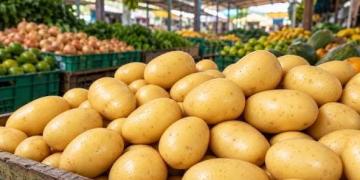
Massive imports from Mexico and Guatemala represent another blow to local agriculture. Arnold García mentions that over the past two years these imports have had a devastating impact, flooding the national market with tons of fresh potatoes at considerably low prices. This unfair competition forces local producers to sell their crops below the break-even point.
The constant arrival of large volumes of imported potatoes in full containers is impacting the profit margins of Honduran farmers. “Imported potatoes are sold at lower prices, which makes it harder for us to be competitive,” says García. He believes this situation has discouraged many producers, who are now questioning whether it’s even worth continuing to grow potatoes.
In Intibucá, the agricultural cycle continues practically year-round. However, organizations like Ecarai are trying to stagger plantings to avoid market saturation, considering that the average growing cycle for potatoes is about 105 to 110 days.
On the other hand, producers are expressing their discontent with the limited government support in the face of the current crisis. They assert that although economic incentive programs are announced, these rarely reach the small farmers who face the greatest challenges due to the weather and unfavorable market conditions.
Fuente: laprensa.hn