Bolivia: The potato is consolidating its position as an essential food worldwide, playing a key role in promoting rural development
Potatoes help reduce poverty and improve resilience, promoting more inclusive and sustainable agri-food systems.
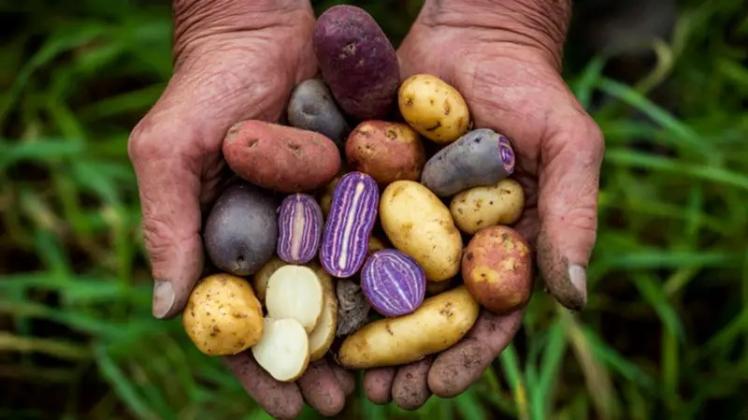
The central role of the potato as an essential food worldwide and its impact on rural development
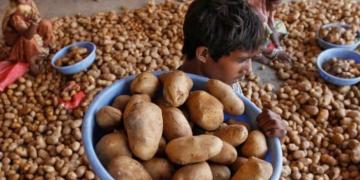
The potato has solidified its position as one of the world’s most important foods, playing a crucial role in food security, sustainable agriculture, and economic development. According to the Food and Agriculture Organization of the United Nations (FAO), this ancient crop not only ensures daily food security for millions of people but also generates employment, stimulates the local economy, and preserves traditional knowledge.
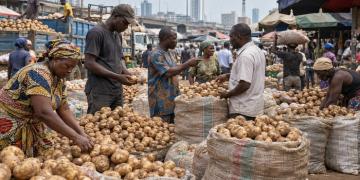
According to the FAO, the potato is more than just a staple food for many people. It represents a significant opportunity for employment and sustainable economic growth throughout its entire value chain. Furthermore, this crop makes a notable contribution to poverty alleviation and strengthening the resilience of agri-food systems, thereby advancing several Sustainable Development Goals (SDGs), such as eradicating hunger, promoting sustainable agriculture, and generating economic opportunities.
In the context of International Potato Day, celebrated on May 29, 2026 under the slogan "Where potatoes grow, livelihoods thrive", FAO seeks to highlight the strategic role of this plant in reducing poverty and establishing more sustainable agri-food systems.
**The economic impact of potato production in Bolivia**
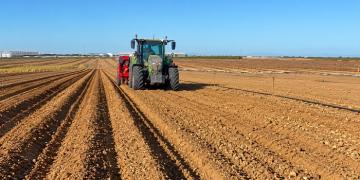
In Bolivia, this tuber plays a fundamental role in various rural communities, particularly in regions like Morochata, Cochabamba. There, the ancestral crop not only ensures food for local families but also fosters community economic development and promotes sustainable agricultural practices.
Simay Vera, director of the Business Administration program at Franz Tamayo University (Unifranz), emphasizes the strategic value of potato production in this region. More than 90% of Morochata’s inhabitants are involved in this activity, which is not only their main source of food but also a significant driver of their income and local employment.
The municipality stands out as one of the country’s main potato producers. According to data from the Ministry of Rural Development and Lands (MDRyT), Morochata has more than 8,000 hectares cultivated by approximately 3,500 farmers. However, the lack of adequate infrastructure to process this raw material into higher value-added products remains a constant challenge.
**Towards sustainable production: projects from Unifranz**
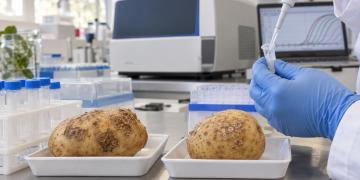
In response to these needs, students from Unifranz Cochabamba have developed a comprehensive model for establishing a potato processing plant in the area, with the goal of diversifying products and expanding local and international markets. This project seeks to offer viable alternatives for adding value to the crop.
See moreWholesale pricesPotato marketPope forumAmong the proposals are initiatives to produce potato chips, mashed potatoes, starch, and frozen fries. Simay Vera explains that a prior assessment identified significant opportunities to expand markets based on local surplus production, which motivated the design of sustainable businesses focused on these four key products.
The project also incorporates innovative strategies, from marketing methods tailored to each target market to financial assessments that guarantee its economic viability. Furthermore, the sustainable approach includes practices such as waste reuse, optimized water use, emissions reduction, and energy efficiency, with the aim of ensuring environmentally responsible and long-term viability.
**The cultural and environmental importance of potato cultivation**
The FAO highlights that potato cultivation is strategic in the face of climate change challenges due to its remarkable ability to adapt to diverse climatic environments. This makes it a crucial ally in strengthening community resilience to current environmental disruptions.
In cities and rural communities like those in Bolivia, potato production has not only economic but also cultural implications. It is an irreplaceable resource for local initiatives that bring together sustainable innovation, social development, and cultural preservation—demonstrating that this ancient food continues to play a vital role in the daily lives of thousands and in the future of the planet.
Fuente: reduno.com.bo