Spain: Commitment to quality maintains the value of the A Limia potato
The price of potatoes continues to fall, and thanks to contracts signed before the start of the season, it has been possible to sell them for 35 cents per kilo.
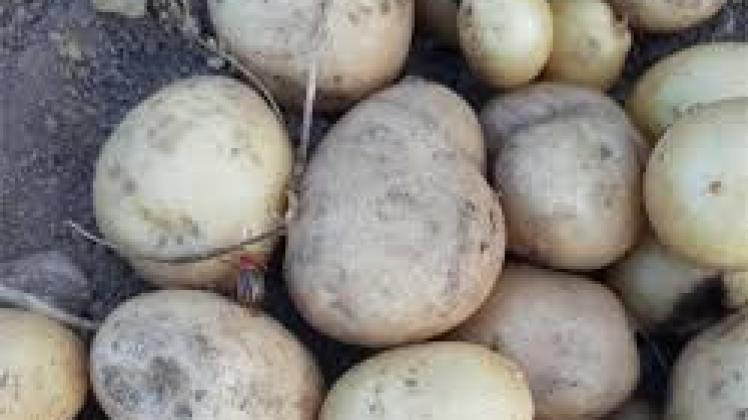
The price of potatoes, the star product of the A Limia region, continues to plummet, reaching 12 cents per kilo, a figure that is far from covering production costs.
Outside of contracts, the farmers explain, they haven’t sold a single potato for more than the cost of production. Those potatoes covered by contracts and protected by the PGI (Protected Geographical Indication) fetched prices of around 0.35 cents per kilo, but these represent only a portion of the cultivated hectares. Although producers usually establish contracts before the season, this practice has declined in recent years due to the good prices obtained on the market, a trend that now seems to have reversed.
To put the figures into perspective, between 2023 and 2024, the same kilo of potatoes that today costs 12 cents was sold for around 50. This difference with the contractual prices, which are around 35 cents, led many producers to reduce the volume allocated to previous agreements.
Farmers adhering to the Protected Geographical Indication (PGI) quality seal have access to contracts managed by the organization, most of which this year were finalized at prices ranging between 30 and 40 cents, as confirmed by José Manuel Gómez, president of the PGI. Gómez emphasized that these contracts have been honored, but warned that those not producing under this seal are selling their potatoes well below the cost of production, which he estimates at around 25 cents per kilo.
The situation could worsen in 2026 due to the recent flooding in A Limia. Gómez pointed out that the torrential rains have washed away essential elements from the soil, forcing a greater use of fertilizers and, consequently, an increase in costs. Furthermore, crops face another challenge: the fields are still waterlogged when they should already be being cultivated.
Local producers also fear a further drop in contract prices this year. According to their estimates, if the Kennebec variety doesn’t reach 30 cents per kilo or the Agria variety falls to 20 cents per kilo, manual harvesting will be unfeasible due to high labor costs.
See morePotatoSpecific plant protection productsPortal advertisingDespite the challenges, production under the PGI (Protected Geographical Indication) label continues to gain popularity. This is the case for Antonia Calvo, owner of "A Casa da Pataca," who for several seasons has dedicated a large part of her production to this certified system. Calvo reiterated that the cost of producing one kilo is around 25 cents, a figure that must also include labor costs for those who hire employees.
Uncertainty in the sector
The current situation is creating an atmosphere of uncertainty in A Limia, whose economy depends heavily on potato farming. Although a significant investment—more than 40 million euros—is being made in a new irrigation system for the region, many farmers are worried about the future of the sector. "If prices stay this low, we’ll have to see who dares to continue," they say with concern.
Some even predict the price collapse will be even worse. "We’re going to end up selling them for 8 cents. This year has been a disaster," they lament. The massive influx of foreign potatoes, especially from France, into the national market has driven prices to historically low levels; and that’s without considering the potential impact of the trade agreement with Mercosur. "If that agreement comes into effect and further saturates the market, it will be unsustainable for us," they warn.
Weather conditions are also worsening the situation. Heavy rains at the beginning of spring delayed planting and, along with the high temperatures at the start of summer, hampered the development of the tubers. This weather pattern has also affected other crops, such as winter and spring cereals, both of which have been particularly hard hit in recent seasons. To make matters worse, local farmers report that the existing irrigation canals are completely unusable.
Growth of quality versus quantity
Faced with this adverse scenario, some are finding a light at the end of the tunnel by focusing on quality. "With the change in consumption trends, today we must prioritize quality over quantity," says José Manuel Gómez. According to the president of the Galician Potato PGI, more and more producers are joining the program due to the growing appreciation among end consumers for certified products.
Fuente: laregion.es