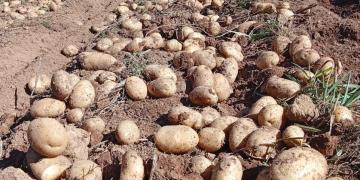
Netherlands (Limburg): Potato producers are desperate over the huge surplus they cannot sell.
The big question is: what will happen to all those potatoes now?
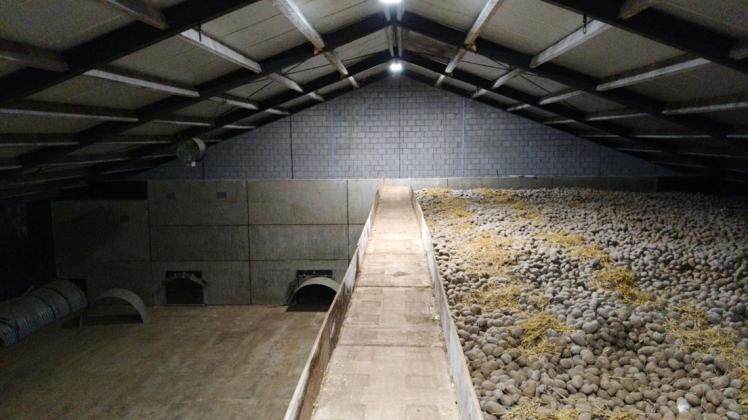
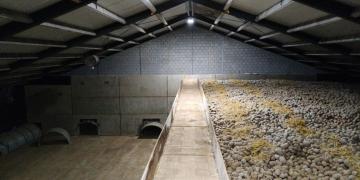
Although the immediate sale or processing of most of the harvest is usually the norm, this season has presented unexpected challenges. In practice, this has resulted in warehouses overflowing with potatoes, which is problematic for farmers, as storage involves additional costs and potatoes don’t generate any profit while they remain unsold.
A complex situation
According to the Limburg Agricultural and Horticultural Association (LLTB), explaining the situation is no easy task. Agriculture doesn’t operate like a factory that can be stopped or restarted at will; factors such as weather and market fluctuations play a crucial role, notes Peter van Dijck, a member of the board of directors. Therefore, it’s not simply a matter of overproduction or cultivated hectares. What’s happening is primarily the result of an interaction between market forces and climatic variations.
The destination of the surplus
The future of surplus potatoes depends on the circumstances. While some manage to enter the conventional market, others are used in alternative ways, such as animal feed or transformed into other products. There is also the option of using the surplus in anaerobic digestion processes, converting waste like peels into biogas. However, these solutions have their limitations. Public campaigns were already carried out last week on this issue, but outside of the usual sales channels, no additional structural measures appear to be taking place to resolve the problem, Van Dijck comments.
The Rob Engelen case: 700,000 kilos unsold
Rob Engelen, a farmer in Arcen, is facing a unique situation after the bankruptcy of the CêlaVíta processing plant, which left him with 700,000 kilos of potatoes without a buyer. According to him, the potato market outlook was already unfavorable for local producers before the collapse. Supermarkets tended to prioritize cheaper imported potatoes, further disrupting the supply and demand balance. "It’s been a series of difficulties," Engelen laments.
With the goal of preventing waste and generating some extra income, he posted an ad on Facebook offering potatoes for sale directly to consumers. The initiative gained some traction and received support from organizations like No Waste Army, which helped sell some of the surplus. Even so, a large quantity still remains to be sold. Selling that entire mountain seems almost impossible, Engelen admits. Nevertheless, he is satisfied with the initiative, as it raises awareness about the problem of food waste.
Looking to the future
The LLTB anticipates that producers may reduce potato cultivation next season in response to current challenges. Ultimately, this is a business decision linked to the natural self-regulating behavior of the global market, explains Van Dijck. For now, no major structural changes are expected in the long term.
Engelen is also considering adjusting its future production and anticipates an improvement in market dynamics. Furthermore, it is confident in the possibility of establishing agreements with buyers that will help reduce surpluses and ensure fairer prices for farmers.
Fuente: l1nieuws.nl