
Spain (Salamanca): Thousands of euros in losses and tens of tons of potatoes discarded underground.
Most farmers decided not to harvest this year due to low prices and heavy rains. Now, many have been forced to bury the tubers, as the cost of harvesting exceeds their market value.
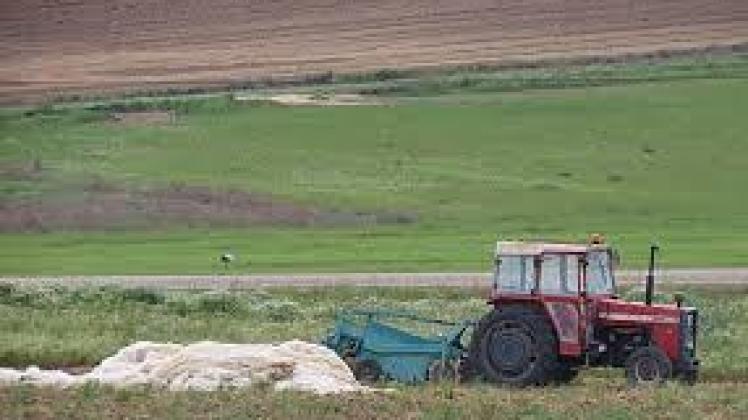
Farmers in towns like Villaflores, Palaciosrubios, and Poveda de las Cintas ended last year and began the new one facing a discouraging outlook: numerous hectares of potatoes remained unharvested. The main reason was the decision to wait for better prices after initial offers were considered too low. However, heavy winter rains prevented the timely use of harvesters, further complicating the situation.
With the arrival of spring and the partial drying of the land, most farmers opted to bury their crops, along with the investments they had made, which ranged between 6,000 and 7,000 euros per hectare. The economic losses have been significant for a crop that never managed to generate profits, while the fields have now been used for other crops such as sugar beets and corn.
Alberto González, a producer from Villaflores, expressed his frustration with the losses. In his case, he began the harvest in November, but two days of frost in December significantly affected the quality of his potatoes. "Of the last 14 truckloads I shipped, many tubers were damaged. In the end, I decided to plow them because it wasn’t worth continuing. The current price is barely 7 or 8 cents per kilo, which doesn’t compensate for the effort," he stated. According to him, these economic problems affect a large part of the agricultural sector in the area, where many farmers face similar situations.
The extreme winter conditions not only hampered harvesting due to the compacted soil, but also drastically reduced both the quantity and quality of the crop. Mechanical harvesting became more expensive and less efficient, as it was necessary to remove damaged or spoiled potatoes. González estimates that between 50% and 60% of his harvest was rendered unusable by the frost.
In Villaflores, some farmers found alternative solutions. While some opted to harvest manually or with machinery under adverse conditions, others used plastic tarpaulins to protect their crops from the extreme cold and sell them gradually according to demand.
Crisóstomo, a farmer with land in Poveda de las Cintas, managed to harvest his crop despite facing significant challenges. He explained that he lost approximately a third of his potatoes. Furthermore, high costs and difficult terrain meant that moving a truckload took twice as long compared to a typical harvest. "There was less production, many potatoes were spoiled, and the hardened soil created clods, forcing us to work slowly," he explained.
Despite efforts to salvage part of their harvest, a portion had to be used for animal feed at lower-than-usual prices. This highlights the difficulties the agricultural sector faces due to adverse weather conditions and the economic challenges that directly affect these producers.
Fuente: lagacetadesalamanca.es


