Belgium: A family of farmers donates 150,000 kilos of potatoes that the industry did not absorb.
With warehouses full and prices stagnant, many potato surpluses in Europe risk running out of a market.
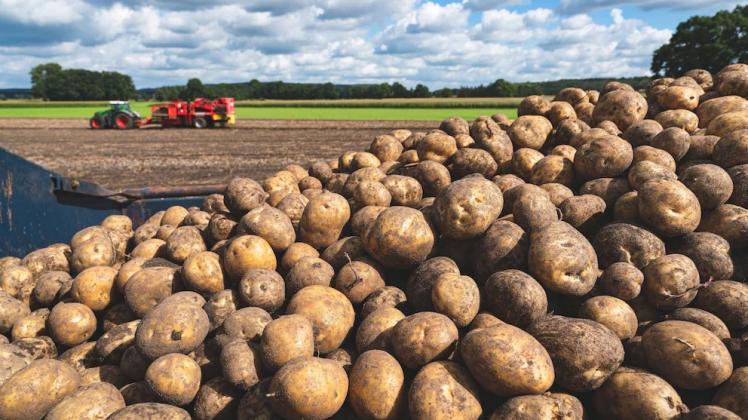
When agricultural output surpasses market demand, farmers encounter challenges that go far beyond the physical act of harvesting. Europe’s excessive potato production this year has exposed the urgent need for both ingenuity and collective action among growers, prompting them to tackle issues of waste, surplus management, and survival in an increasingly volatile market environment.
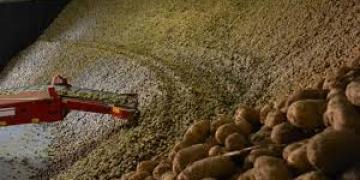
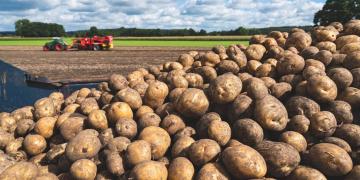
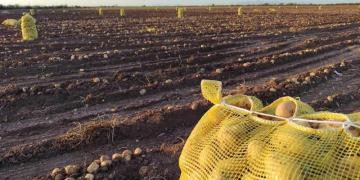
A case in point is the experience of the Debaene-Vandelanotte family from Langemark. Faced with 150,000 kilograms of unsold potatoes due to industrial contracts allowing only a fixed quantity purchase, they took the unusual step of opening their warehouse to the community, offering the excess potatoes for free. This decision, while unexpected, underscored the immense economic strain that farmers currently face.
Although their gesture was generous, it also reflected a deep sense of urgency. Their primary aim was to avoid wasting food and simultaneously draw attention to a systemic issue affecting the agricultural sector. With storage facilities full and market prices stagnant, much of Europe’s potato surplus teeters on the brink of being discarded. This situation underscores how overproduction and rigid market systems disproportionately burden farmers, compelling them to either absorb additional losses or devise creative means to ensure that excess produce does not go to waste.
A Widespread Struggle
For Davy Debaene, the challenge extends beyond financial losses: "It hurts to have to destroy food," he shared with *Focus*. Every kilogram of unsold potatoes symbolizes not only lost income but also wasted resources—months of labor alongside significant investments in water, fertilizer, and energy. Finding ways to repurpose or distribute these potatoes isn’t just a matter of economic necessity; it’s about preserving the essential value of food itself.
The Debaene-Vandelanotte family’s plight is not an isolated case. Across Belgium, an estimated 860,000 tons of potatoes sit unused in storage due to insufficient market demand. This predicament arises from rigid pre-arranged contracts coupled with market fluctuations—70% to 80% of the harvest was already sold at fixed prices, leaving the remaining crop without buyers during a demand slump. Alternative solutions like diverting surplus potatoes to produce animal feed or bioenergy prove neither cost-effective nor scalable.
In the face of such adversity, the family opted not to bear the emotional and financial burden of discarding their crop. Their open-warehouse initiative met with an overwhelming response as hundreds of local residents arrived to collect free potatoes, some even bringing gifts or donations in appreciation. What began as a pragmatic effort to manage agricultural overproduction evolved into an inspiring act of community solidarity, drawing attention to systemic inefficiencies while highlighting the struggles shared by countless farmers across the region.
Fuente: focus.de