
Bolivia: Frosts have caused losses of up to 90% in potato production in five municipalities of the highlands.
"This season we have faced several weather events that have made it difficult to complete the production cycle," said Luis Mamani, the technician in charge at Calamarca.
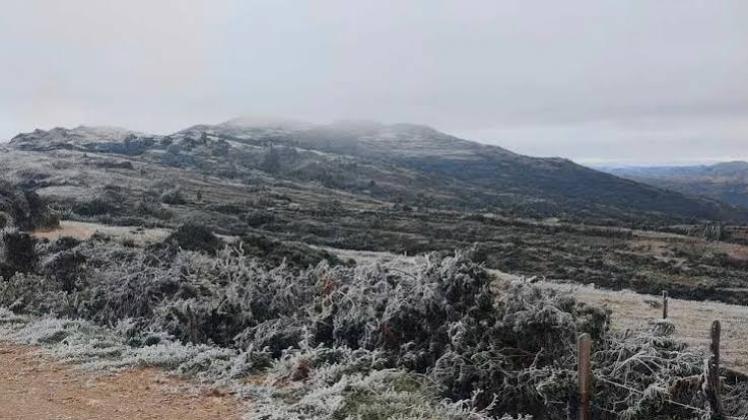
Frosts during the 2025-2026 growing season caused losses of up to 90% in potato production in five municipalities in the highlands of the La Paz and Oruro departments, according to technicians from the Center for Research and Promotion of Rural Communities (CIPCA). They also highlighted the negative impact that climate change is having on the living conditions of farming families.
Mamani, a representative of CIPCA Altiplano, explained that they are working in the municipalities of Calamarca, San Andrés de Machaca, and Charaña in La Paz, as well as in San Pedro de Totora and Corque in Oruro. He reported that the frosts not only damaged staple crops such as potatoes, quinoa, cañahua, and papalisa, but also forage species, which in turn has affected livestock feed production.
Julio Ancari, another technician from CIPCA, explained that these frosts occurred during the most critical period for crop development. In February, coinciding with the flowering season and Carnival celebrations, two frosts struck: the first damaged approximately 50% of the crop, while the second affected almost 100% of what remained. According to Ancari, losses ranged from 50% to 80%, with several plots abandoned because there was nothing left to harvest. The small quantity of potatoes obtained were small in size, leading to a large portion being used to make chuño (freeze-dried potatoes) or simply discarded.
The damage also extended to forage crops, which failed to develop properly this year. As a result, there is a severe shortage of feed for livestock, further complicating the situation for farming families during a time marked by recurring droughts. Ancari emphasized that nearly 90% of producers in the areas where CIPCA operates were affected and that these types of extreme weather events are becoming increasingly frequent due to climate change.
Fuente: urgente.bo


