
Peru: The native potato of Huamalíes demonstrates a remarkable ability to adapt to extreme climatic conditions.
The second edition of the Native Potato Route took place in El Porvenir, a district of Llata, with the aim of promoting and consolidating the productive corridor dedicated to this important crop.
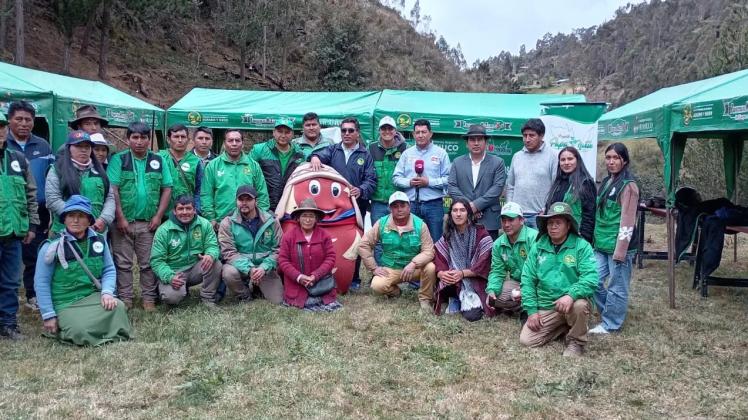
The province of Huamalíes, located in Huánuco, has begun its native potato harvest with promising results, despite the climatic challenges faced during the agricultural season. This was announced by Redi García Cotrina, head of the Agricultural Agency, during the second edition of the Native Potato Route, which took place in the town of El Porvenir, located in the district of Llata.
The official indicated that production was affected by frost, hail, drought, and late blight. However, he emphasized that the joint effort between the technical team, the Native Potato project, and the beneficiary producers was key to maintaining the campaign and achieving a successful harvest.
The harvest is already underway and good results are being reported. Although December’s weather conditions somewhat reduced yields and January saw hailstorms, collaborative efforts allowed them to overcome these challenges and achieve satisfactory results, García explained.
Currently, the project operates in seven districts of Huamalíes and is benefiting approximately 250 farmers. According to data provided by the Agricultural Agency, each of these districts has two demonstration plots whose harvest will be completed before the end of the month.
Boosting market access for farmers in Huamalíes
García mentioned that five local associations are receiving support from the Agricultural Agency to improve their organization and facilitate direct market access. In this regard, connections have already been established with buyers in places like Lima, Áncash, and other areas within Huánuco.
Looking ahead to 2026, these associations will have a guaranteed market to sell more than twenty tons of native potatoes. The main export destinations include Huaraz in Áncash, as well as Lima and certain coastal areas. The official also emphasized that the local market in Huánuco is already saturated with this product, so there are plans to expand distribution to other regions of the country.
Current results point to a production of over 20 tons per hectare, a figure that could increase in the coming weeks when harvesting begins in the best plots, García added.
A diverse genetic map: more than 400 registered varieties
In terms of scientific and agricultural advancements, the Agricultural Agency has identified up to 405 varieties of native potatoes in Huamalíes. This record not only demonstrates the genetic richness of the crop in the region but also its enormous potential. García already plans to update this database by the end of the year, as he believes it is likely that even more varieties remain to be discovered.
Disseminating and promoting this diversity at the regional and national levels is a key goal within the project, García noted.
Regional Councilor Ricardo Prado García emphasized that the Native Potato Route initiative aims to strengthen both the production and logistics chains linked to potato cultivation in Huamalíes, particularly in the populated centers of the Llata district. The event also provides a platform to showcase the agricultural diversity present in the province and highlight its importance for local development.
Fuente: inforegion.pe


